Departure
City or airport
Arrival
City or airport
Passengers
2
Private jet on the tarmac at Tokyo Narita International Airport (RJAA)

Book your private flight to Tokyo Narita International Bespoke private jet charter NRT

Fly to or from Tokyo Narita International Airport (NRT/RJAA) by private jet with Private Jets Connect, your specialist broker. Comfort, discretion and fast access to Tokyo.

Tokyo Narita: The primary gateway for larger jets and flexible scheduling

Narita International Airport (NRT) is strategically located 31 nautical miles east of Tokyo Station, a 60-90 minute limousine ride to the city center. It is ideal for larger aircraft, with its 4,000-meter main runway (16R/34L) accommodating heavy jets for long-haul flights.

The Premier Gate, Narita’s dedicated business aviation terminal, offers exclusive CIQ services, a luxurious lounge, and conference facilities, ensuring a swift and private experience. While NRT operates under a strict curfew (23:00-05:59), its slot availability is generally more flexible than Haneda.

For shorter flights or when proximity to central Tokyo is paramount, Haneda (RJTT) is often preferred, provided slots are available. Narita remains the best choice for larger aircraft, longer stays, or when Haneda is at capacity.

Tokyo Narita International
Your dedicated agent

How we accompany you

From the moment your flight is confirmed, a dedicated agent takes charge: permit filing, terminal reservation, ground transport from the ramp to your final destination in Tokyo. We stay on hand by message, WhatsApp or phone until you are on your way.

  • We submit all Japanese permit paperwork well ahead of the required lead times
  • We pre-book Premier Gate and your ground transport before you board
  • We monitor your flight and keep your ground team informed in real time
How we accompany you

Which aircraft for a flight through Tokyo Narita International

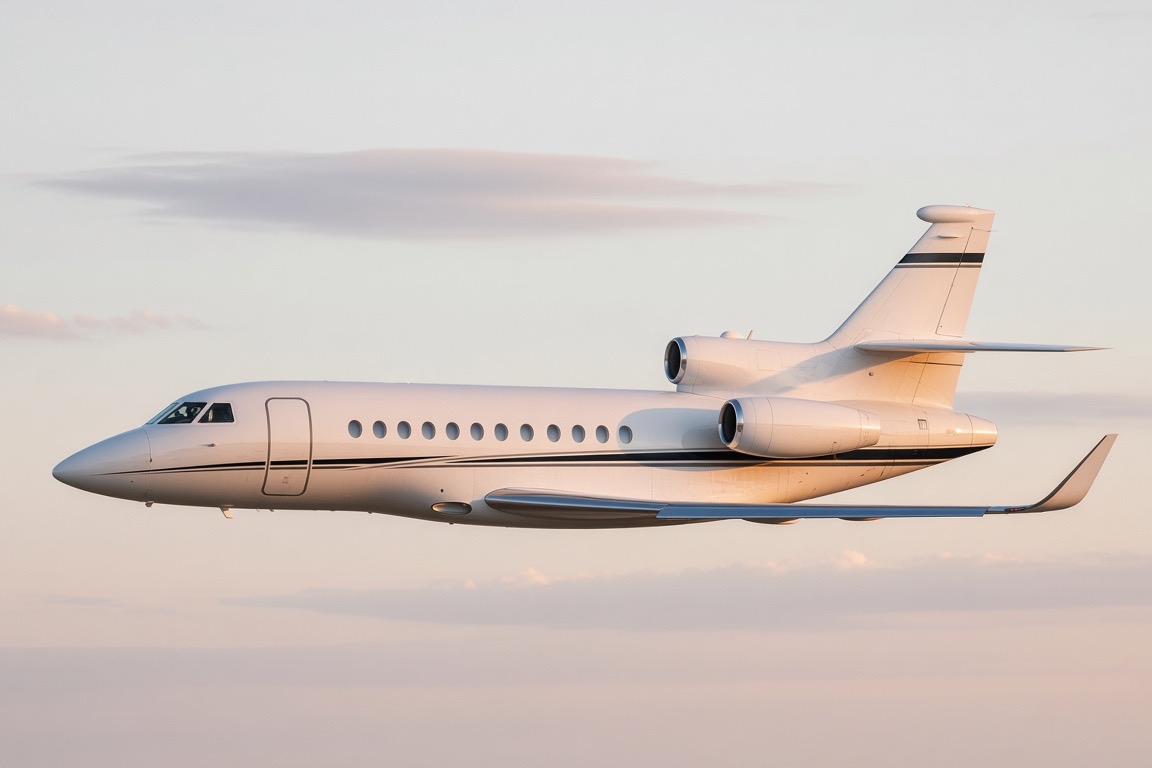
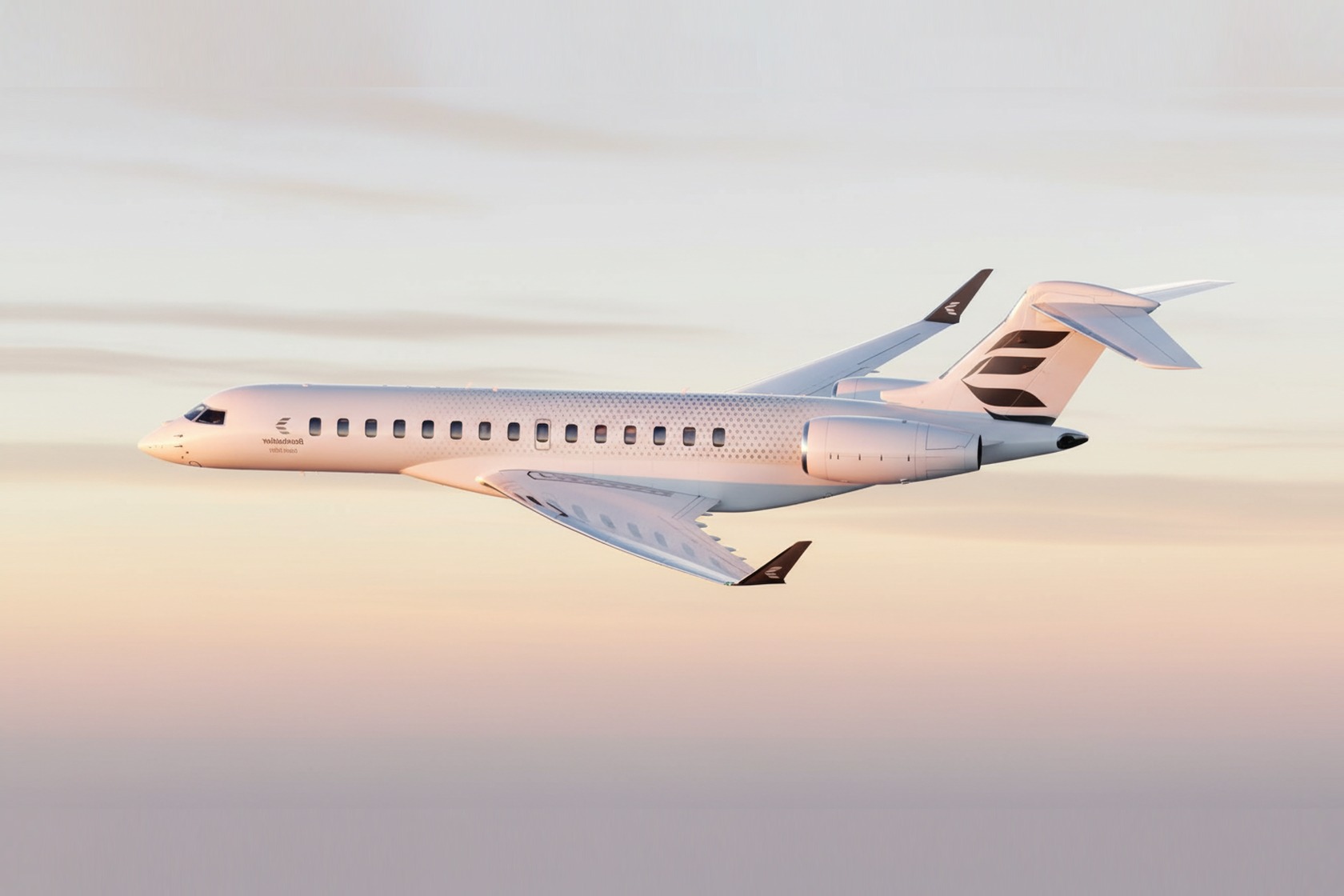
Narita’s main runway stretches 4,000 metres, enough for any aircraft in the private fleet, from a light jet on a regional hop to a heavy or ultra-long-range jet flying non-stop from London or New York.

If you are travelling with a large group or covering a long distance, this airport opens the full range of options.

Regional Asia

Seoul · Shanghai · Taipei · Hong Kong

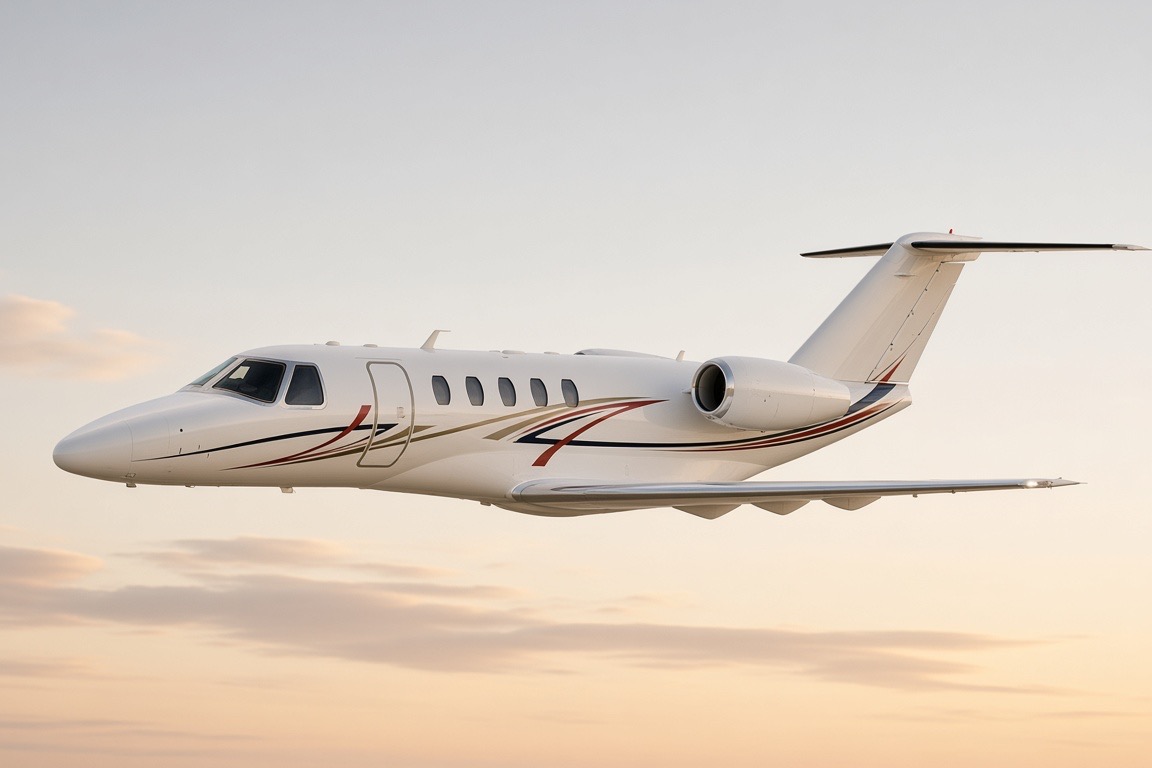
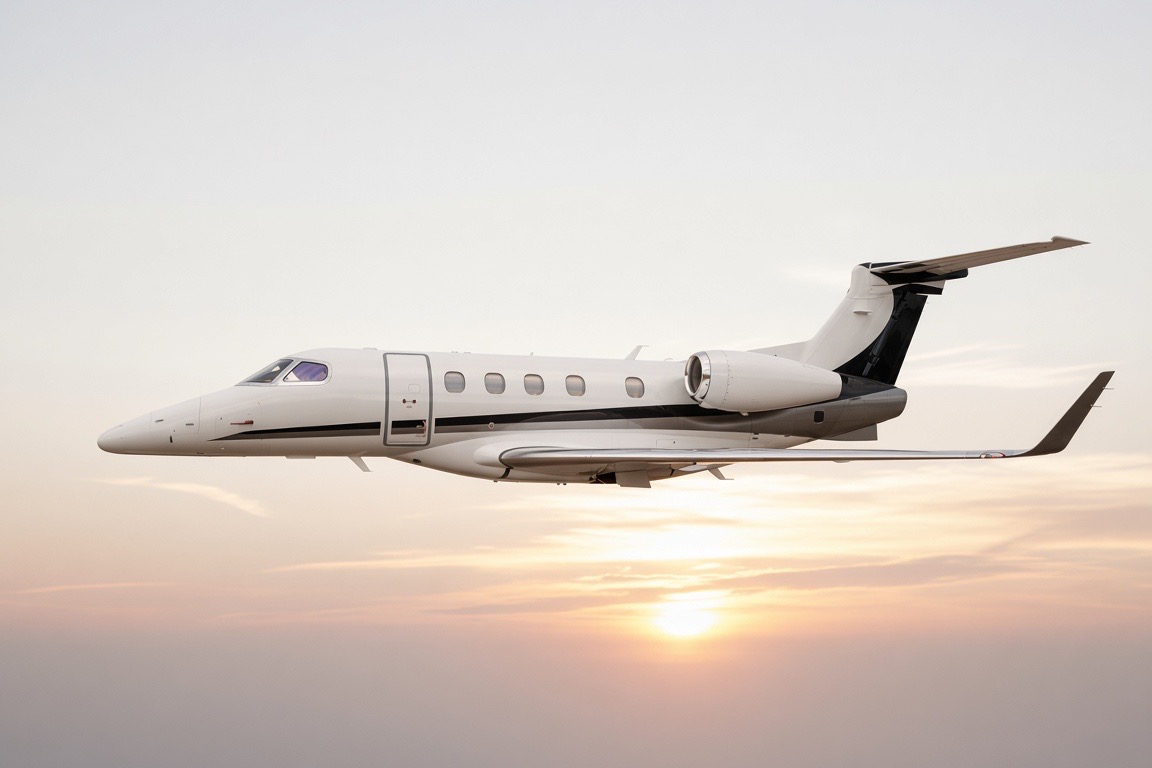
A light jet covers Tokyo's closest neighbours in under four hours. Ideal for 4 to 7 passengers on a focused business trip or a cultural short break, with fast boarding via Premier Gate's dedicated facilities.

Regional Asia — Light Jet
Regional Asia — Super Light Jet
Regional Asia Light Jet

Mid-range Asia

Singapore · Bangkok · Delhi · Kuala Lumpur

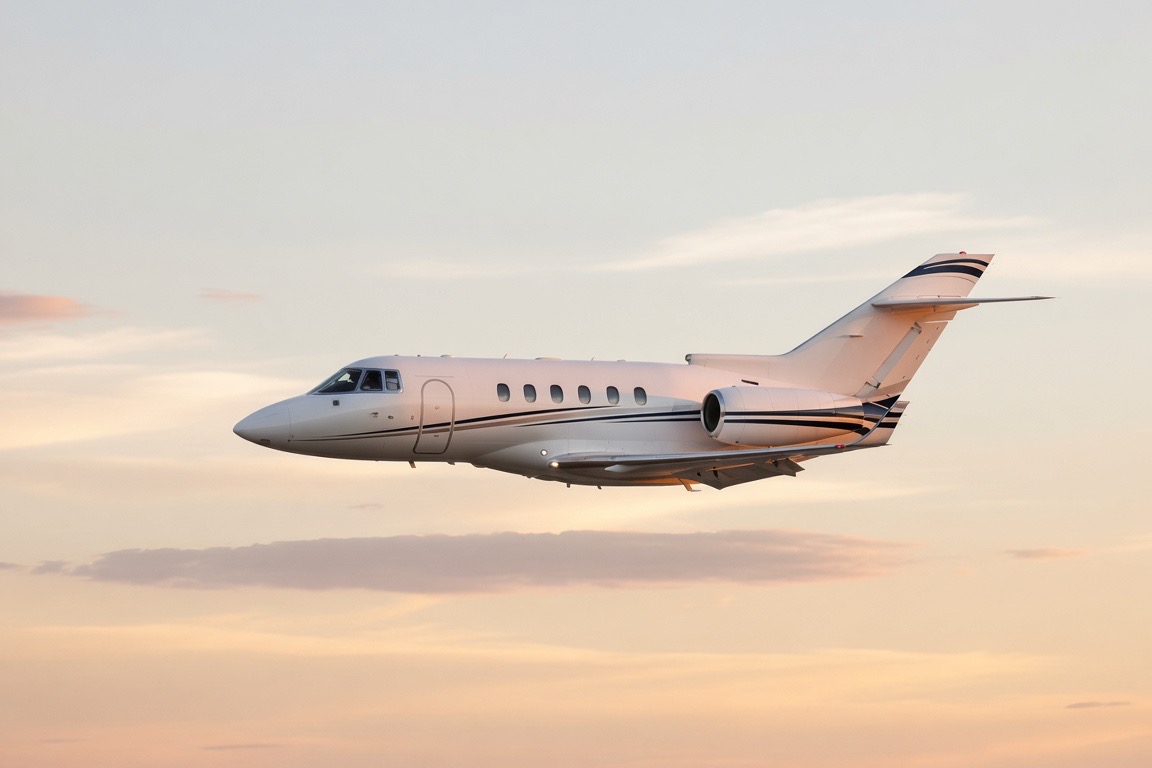
A midsize or super-midsize jet reaches South and Southeast Asia with a full, comfortable cabin, making the five-to-eight-hour stage effortless for a small delegation travelling together.

Mid-range Asia — Midsize Jet
Mid-range Asia — Super Midsize Jet
Mid-range Asia Midsize Jet

Long-haul and intercontinental

London · Dubai · Los Angeles · Sydney

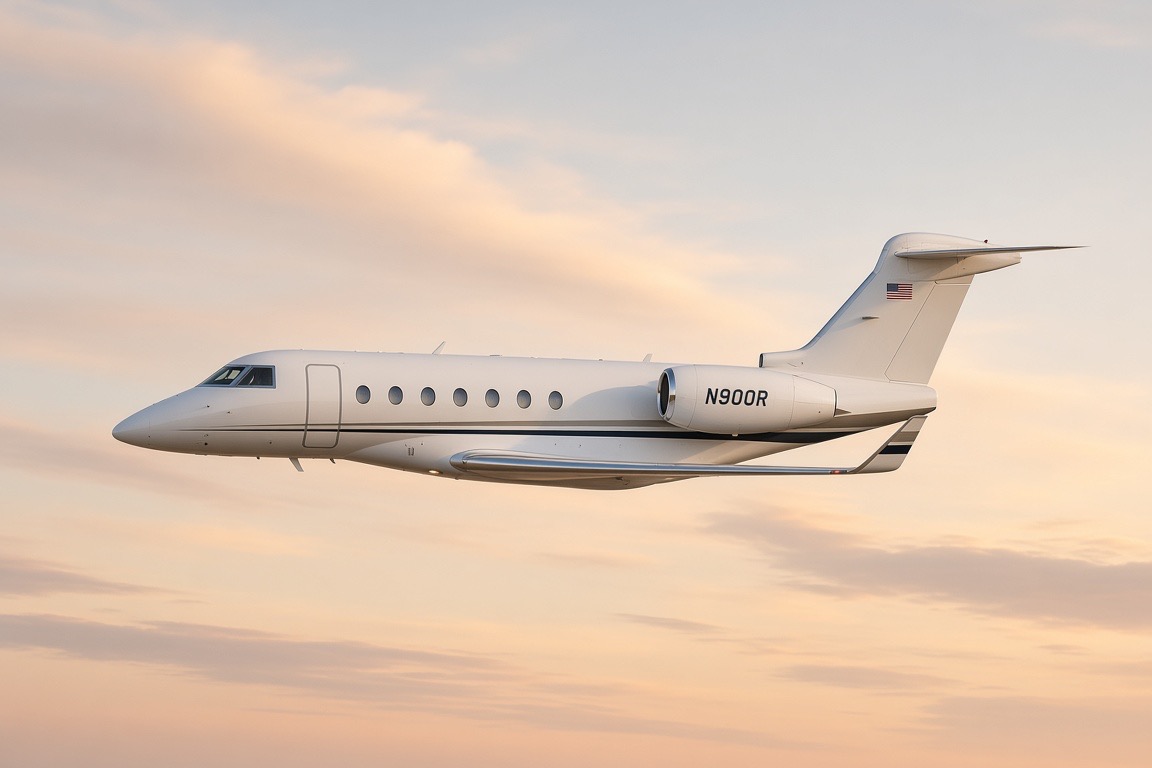
A heavy or ultra-long-range jet can fly non-stop to Europe, the Gulf or the US West Coast, making full use of Narita's 4,000-metre main runway. The largest aircraft in the private fleet operate from this airport without restriction.

Long-haul and intercontinental — Heavy Jet
Long-haul and intercontinental — Ultra Long Range
Long-haul and intercontinental Heavy Jet
The airfield

Narita, Tokyo's international gateway

Opened in 1978, Narita International Airport is Tokyo’s primary international hub. In 2025, it welcomed over 42 million passengers and handled more than 250,000 flights. Narita serves as Tokyo’s main business aviation airport, especially when Haneda (RJTT) faces slot or parking saturation.
Before you fly

What changes your trip

A few rules at Narita change the hour you land, the aircraft you take, and how long it can wait. We deal with each one before you confirm.
Your arrival or departure time is reserved

Every private flight to or from Narita requires a reserved time slot for both landing and take-off. Without a slot, the aircraft cannot operate. We request these slots for you.

While Narita is generally more flexible than Haneda, any change to your estimated arrival or departure time, or even to the number of passengers, requires a new permit and slot.

We manage this strict process for you, ensuring all necessary approvals are in place well in advance.

Night flights are restricted

Narita operates under a strict curfew between 11:00 PM and 5:59 AM local time. During this period, no take-offs or landings are permitted.

A very limited exception exists between 11:00 PM and 11:59 PM for flights on the main runway (16R/34L) by aircraft that meet specific, quiet noise standards.

We plan your schedule to respect these hours, and inform you immediately if your preferred timing falls within the restricted window.

The aircraft can wait for your return

While you are in Tokyo, your aircraft can stay at Narita. The airport offers around 18 dedicated parking positions for private jets, with plans to expand this capacity. Long-term parking is available for up to 29-30 nights.

Hangar space is also an option, which can be particularly useful during winter to protect the aircraft from cold temperatures or potential snow. Jet fuel is available, allowing the aircraft to refuel before your departure.

Please note that Japanese law prohibits refueling with passengers on board.

On arrival

Premier Gate Terminal and Six Operators at Narita

Premier Gate Business Aviation Terminal

Narita operates a dedicated Business Aviation Terminal called Premier Gate for international and domestic business-jet passengers and crew. Jetex Tokyo Narita and Universal Aviation Japan maintain offices in Terminal 2.

All six operators coordinate customs and immigration clearance, which at most Japanese airports takes place in the main terminal; private clearance at the business-jet terminal may be available on request for an additional fee.

Slot Application Required

Narita Airport requires a slot application for business-jet operations. Your handler submits the request and confirms your arrival window.

Ground Handling and Fuel

IAJ Flight Support services aircraft with its own equipment and dedicated personnel. All operators coordinate Jet A-1 fuel with into-plane agents and arrange self-maneuvering parking stands or hangar space through third-party providers.

Ground access

From the aircraft to the city

Tokyo Station is 57.5 km from the airport, a limousine ride of 60 to 90 minutes depending on traffic. Private cars and vans can be arranged door to door for larger groups or specific addresses.

Crews often use the Narita Express train (around 50 to 60 minutes to Shinjuku or Tokyo Station) from the commercial terminals. No helicopter transfer service has been confirmed at this airport.

Discover everything to do and see in Tokyo.

A bespoke experience

Real luxury
is you.

No queues, no protocol, no compromise. Your flight adapts to you: your schedule, your wishes, your pace. You are at the centre of every detail.

Book your flight
Dining on board
Dining on board

The table,
made to measure.

Japanese in-flight catering is in a category of its own: bento boxes crafted by Tokyo's finest kitchens, wagyu prepared to order, sake and whisky selected to match the journey. Your caterer is briefed to reflect the season, the destination, or simply what you love to eat.

Compose my menu
Rates & routes

Sample private jet prices via Tokyo Narita International

Indicative fares from Tokyo Narita International. Your agent confirms a precise quote for your dates and aircraft.

RouteDurationSuper Midsize Jet 8-12 paxHeavy Jet 10-14 paxUltra Long Range 12-19 pax

An empty leg to Tokyo Narita International,
if the sky lines up.

An empty leg to or from Tokyo Narita International is a repositioning flight already on the schedule: the aircraft needs to reach another base or its next mission. These trips are offered at a reduced fare, often around 30% to 75% off a classic charter, in exchange for less flexibility on dates and routing.

On every enquiry, we systematically scan the sky for these opportunities. The goal: whenever possible, a more competitive quote, on price as well as on the aircraft category available.

Security, passport control and customs

One facility, reserved for private jet passengers

At Premier Gate, customs, immigration and quarantine (CIQ) are handled in a dedicated facility reserved exclusively for business jet passengers and their crews. There is no shared queue with the commercial terminals, and formalities take place within the private terminal building itself, steps from the ramp shuttle.

What that means for you

  • You clear entry formalities without entering the main terminal at any point
  • Passengers and crews are processed in the same private area
  • Japan’s standard entry requirements apply (valid passport, visa where required, customs declaration); your ground service company confirms exactly what is needed for your nationality well in advance
  • Any change to arrival times or passenger numbers after filing requires a new authorisation; Japan does not allow last-minute modifications, so we lock in your details early and communicate any update formally

The other Tokyo airports

When your schedule demands a landing closer to central Tokyo, or when a late-night flight cannot land before Narita’s 23:00 curfew, Tokyo Haneda (RJTT) may be the better option.

Haneda is significantly closer to the city centre, with ground transfers of around 30 to 40 minutes in light traffic.

Since 2025, private aviation access at Haneda has been under considerable pressure, which is why many operators have moved to Narita; but when a confirmed position at Haneda is available and your schedule fits, the shorter transfer is a genuine advantage.

When Haneda fits

Daytime departures or arrivals, short ground transfers to central Tokyo, or when your aircraft type is well suited to Haneda’s infrastructure and a position is confirmed.

How it affects the quote

Haneda’s reduced availability for private aviation since 2025 can add lead time and complexity. We compare both airports for every Tokyo flight and recommend the option that best fits your schedule, aircraft and budget.
Find out more about ground connections and what to do in Tokyo.
Private flight from Tokyo Narita International Airport

Frequently Asked Questions

Everything you need to know to organize your private flight from Tokyo Narita International Airport with Private Jets Connect.

01

How do I book a private jet to or from Tokyo Narita International?

To book a private jet to or from Tokyo Narita International, simply contact Private Jets Connect. Our experts are available 24/7 to help organize your tailored flight. We take into account your preferences, passenger count, preferred aircraft type and schedule to propose the best option — comfort, flexibility and discretion included.

02

Who can book a private flight to or from Tokyo Narita International?

Private Jets Connect is your dedicated partner for private jet bookings to or from Tokyo Narita International. As a specialized air charter broker, we give you access to our network of certified operators, personalized advice and end-to-end trip management from take-off to landing.

03

What does a private jet to or from Tokyo Narita cost?

There is no single price: the quote reflects your exact aircraft, routing, number of passengers and travel dates. A regional flight to Seoul or Shanghai sits in a very different range from a non-stop transatlantic sector. Contact us for a tailored quote; we search across the full network to find the most competitive option for your trip.

04

Which aircraft can land at Narita?

Almost any private jet. The main runway is 4,000 metres, long enough for the heaviest ultra-long-range jets. Light jets and turboprops use the secondary runway (2,500 metres). One firm restriction applies: aircraft that do not meet ICAO Chapter 3 noise certification are not permitted at Narita at any time, regardless of schedule.

05

How much advance notice does Narita require?

A minimum of two weeks is recommended for general aviation. Japan requires a formal landing permit (at least three business days for most foreign operators), a reserved time window and a prior permission filed through your ground service company. Any change to departure time or passenger count after filing requires a new authorisation, so locking in the details early avoids delays. We manage the full sequence on your behalf.

06

Can I fly at night from Narita?

The airport operates under a strict curfew from 23:00 to 05:59 local time. A very narrow exception applies between 23:00 and 23:59 on the main runway, for aircraft meeting specific noise standards, but it covers very few movements. In practice, final arrival or departure should be planned before 23:00. We factor the curfew into every Tokyo itinerary from the first quote.

Alexis Parietti
Written by
Founder of Private Jets Connect

A passionate aviation enthusiast, I founded Private Jets Connect to bring a rare level of rigour to private flight: structured processes, verification systems and automated aircraft sourcing, to save time and secure the best price. My background in tech let me build a site that brings together the most useful information, fast. Over a hundred requests already handled since 2021.

LinkedIn profile